Research Peptide
ARA-290
Alternative Name: Cibinetide, pHBSP
Sequence Length: 11 amino acid peptide
Molecular Structure
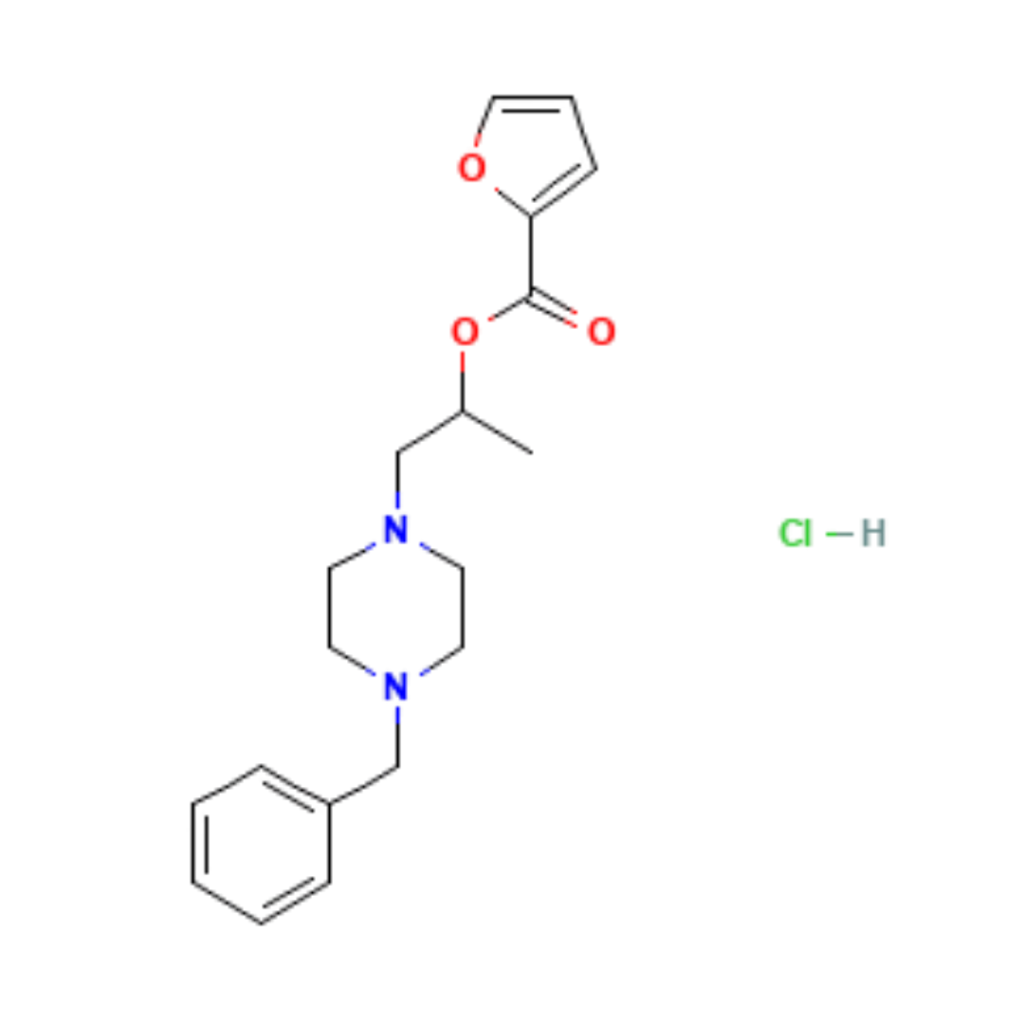
Chemical Properties
Molecular Mass: 1257.4 g/mol
Molecular Formula: C65H92N18O16
CAS Number: 1002360-15-1
Sequence: QEQLERALNSS
Half-Life: 2 minutes
Typical Purity: >98%
Administration Routes: subcutaneous
ARA-290 Overview
ARA-290, also known as Cibinetide or pHBSP (Helix B Surface Peptide), is a synthetic peptide composed of 11 amino acids with the sequence QEQLERALNSS. It has a molecular weight of approximately 1,257 Da.
ARA-290 was developed from a small region of erythropoietin (EPO), a naturally occurring protein involved in regulating red blood cell production. Researchers identified a specific region of EPO associated with receptor signaling outside of the classical erythropoietic pathway and engineered ARA-290 to investigate these biological mechanisms independently.
Research Background
ARA-290 originated from research exploring the multiple receptor systems associated with erythropoietin. Although EPO is primarily recognized for its role in erythropoiesis, published studies identified an additional receptor complex known as the innate repair receptor (IRR).
This discovery led researchers to investigate whether a smaller peptide derived from EPO could selectively interact with the innate repair receptor while minimizing activation of the classical erythropoietic receptor.
ARA-290 was designed from the Helix B region of EPO, making it one of the earliest examples of receptor-selective peptide engineering. Its development has contributed to ongoing research into receptor biology, inflammatory signaling, tissue biology, and cellular communication.
Research Status
ARA-290 remains an investigational research compound.
Published literature consists primarily of laboratory, preclinical, and pharmacological research examining receptor selectivity, molecular signaling, and biological activity. Limited published clinical research exists, but additional investigation is needed to further characterize its biological properties.
The available evidence continues to expand as researchers investigate receptor biology, intracellular signaling pathways, and experimental applications across multiple areas of tissue biology.
Regulatory Status
ARA-290 is an investigational research compound and has not been approved by the U.S. Food and Drug Administration (FDA).
ARA-290 is intended for Research Use Only (RUO) and laboratory investigation.
Laboratory Storage
ARA-290 is commonly supplied as a lyophilized (freeze-dried) peptide.
General laboratory storage recommendations include:
- Store lyophilized material refrigerated or frozen according to manufacturer guidance.
- Protect from excessive heat, moisture, and repeated freeze-thaw cycles.
- Store reconstituted material according to laboratory protocols and manufacturer recommendations.
- Follow product-specific stability documentation whenever available.
Research Use Only: ARA-290 is intended exclusively for laboratory research and analytical purposes. It is an investigational research compound and has not been approved by the U.S. Food and Drug Administration (FDA).
Mechanism of Action
ARA-290 was developed through receptor-selective peptide engineering based on erythropoietin (EPO). Researchers discovered that EPO interacts with two different receptor systems. The first is the classical EPO receptor, which regulates red blood cell production. The second is the innate repair receptor (IRR), a receptor complex found in many tissue types that has become an important area of investigation in inflammation, cellular signaling, and tissue biology.
ARA-290 was designed from a small region of EPO known as Helix B. Its 11-amino-acid sequence (QEQLERALNSS) was selected because it is believed to interact primarily with the innate repair receptor while minimizing activation of the classical erythropoietic receptor.
Receptor Signaling
Experimental research suggests ARA-290 activates the innate repair receptor (IRR), which consists of the erythropoietin receptor (EPOR) and the beta-common receptor (CD131). This receptor complex has been identified in several tissue types, including:
- Nervous tissue
- Cardiovascular tissue
- Blood vessels
- Skin
- Kidney tissue
- Retinal tissue
- Immune cells
Activation of this receptor has been investigated as part of normal cellular signaling and tissue-response mechanisms.
Cellular Signaling Pathways
Published research suggests ARA-290 may influence several intracellular signaling pathways involved in biological regulation, including:
- JAK/STAT signaling, associated with cellular communication and inflammatory signaling.
- MAPK signaling, involved in cell growth, differentiation, and tissue remodeling.
- PI3K/Akt signaling, associated with cellular metabolism and survival pathways.
- NF-kB signaling, a pathway commonly investigated in studies of inflammatory signaling and immune regulation.
These signaling pathways continue to be studied to better understand their role in the biological activity of ARA-290.
Inflammatory Signaling Research
Laboratory and preclinical studies have investigated ARA-290 in models involving inflammatory signaling.
Areas of investigation include:
- Cytokine signaling
- Macrophage activity
- Immune-cell signaling
- Neutrophil activity
- Regulatory immune pathways
These studies focus on understanding how activation of the innate repair receptor may influence cellular communication during experimental tissue responses.
Nerve Biology Research
The innate repair receptor is expressed in nervous tissue, making ARA-290 a subject of investigation in experimental models of nerve biology.
Published research has examined its relationship with:
- Neuronal signaling
- Schwann cell biology
- Myelin organization
- Axonal structure
- Small nerve-fiber biology
- Mitochondrial signaling
Additional research is needed to further characterize these molecular interactions.
Vascular Biology Research
ARA-290 has also been investigated in laboratory models involving vascular biology.
Research has examined:
- Endothelial signaling
- Nitric oxide pathways
- Microvascular function
- Blood vessel biology
- Tissue perfusion mechanisms
- Angiogenic signaling
These investigations continue to explore the relationship between innate repair receptor activation and vascular signaling pathways.
Tissue Biology Research
Experimental models have also examined ARA-290 in tissue biology and cellular remodeling.
Published studies have investigated:
- Connective tissue biology
- Tissue remodeling
- Extracellular matrix organization
- Cellular migration
- Granulation tissue formation
- Fibrosis-related signaling
- Angiogenesis
These studies are intended to better understand the biological processes involved in tissue organization and repair mechanisms.
Cardiac Tissue Research
The innate repair receptor has also been identified in cardiac tissue.
Experimental investigations have examined receptor signaling during models of myocardial stress and ischemia-reperfusion injury to better understand cellular signaling, inflammatory pathways, and tissue biology within the heart.
Receptor Selectivity
One of the defining characteristics of ARA-290 is its receptor selectivity.
Unlike full-length erythropoietin, which interacts with both the classical erythropoietic receptor and the innate repair receptor, ARA-290 was engineered to preferentially interact with the innate repair receptor.
This receptor-selective design has made ARA-290 an important research tool for investigating tissue signaling independently of classical erythropoietic receptor activation.
Pharmacokinetics
Published research indicates that ARA-290 has a relatively short plasma half-life. Like many small peptides, it is rapidly cleared through enzymatic degradation and renal filtration.
Although circulating concentrations decline quickly, researchers continue to investigate whether receptor activation initiates downstream molecular signaling that persists beyond the presence of the peptide in circulation.
Summary
ARA-290 is a receptor-selective research peptide derived from the Helix B region of erythropoietin. Published laboratory and preclinical studies have investigated its interaction with the innate repair receptor and its influence on multiple cellular signaling pathways, including JAK/STAT, MAPK, PI3K/Akt, and NF-kB.
Current research focuses on inflammatory signaling, tissue biology, nerve biology, vascular biology, and receptor-mediated cellular communication. Additional investigation is needed to further characterize its molecular mechanisms and biological activity.
Research Use Only: ARA-290 is intended exclusively for laboratory research and analytical purposes. It is an investigational research compound and has not been approved by the U.S. Food and Drug Administration (FDA).
Research Papers
ARA 290 for treatment of small fiber neuropathy in sarcoidosis.
van Velzen M, Heij L, Niesters M, Cerami A, Dunne A, Dahan A, Brines M.
Expert Opin Investig Drugs. 2014 Apr;23(4):541-50. doi: 10.1517/13543784.2014.892072. Epub 2014 Feb 21.PMID: 24555851 Review.
Related Compounds and Research Pathways
Research Context: Compounds listed below share areas of scientific investigation or molecular signaling. Inclusion does not indicate compatibility, combined use, or a recommendation to combine research compounds. Relationships describe similarities or differences reported in published research.
Overlapping Research Pathways:
- BPC-157: Both compounds have been investigated in research involving cellular repair processes and tissue remodeling, although their proposed mechanisms involve different molecular pathways. BPC-157 research has examined pathways associated with angiogenic signaling, nitric oxide regulation, fibroblast activity, and extracellular matrix organization, providing areas of overlapping biological research without establishing a direct interaction between the compounds.
Related Research Areas:
- TB-500:Both compounds have been investigated in research involving cellular repair processes and tissue remodeling, although their proposed mechanisms involve different signaling pathways. TB-500 research has focused on actin regulation, cell migration, angiogenic signaling, and extracellular matrix activity, representing areas of overlapping biological research without establishing a direct interaction between the compounds.
Opposing Pathways:
- Erythropoietin (EPO): ARA-290 was developed from a region of erythropoietin (EPO) and has been investigated in research involving the innate repair receptor (IRR) and tissue-protective signaling pathways. While the two molecules share structural and signaling relationships, ARA-290 was designed to study selected EPO-associated cellular pathways with reduced activity at the classical erythropoietin receptor involved in red blood cell production.
Frequently Asked Questions
- What is ARA-290? ARA-290 is a synthetic 11-amino-acid research peptide derived from the Helix B region of erythropoietin (EPO). It has been investigated primarily for its receptor-selective biological activity.
- What is ARA-290 being researched for? Published studies have investigated ARA-290 in laboratory and preclinical models involving tissue biology, inflammatory signaling, vascular biology, peripheral nerve biology, immune signaling, and receptor-mediated cellular communication.
- How does ARA-290 work? Experimental research suggests ARA-290 interacts primarily with the innate repair receptor (IRR), activating multiple intracellular signaling pathways including JAK/STAT, MAPK, PI3K/Akt, and NF-kB.
- What makes ARA-290 unique? ARA-290 was engineered from the Helix B region of erythropoietin and is designed to selectively investigate innate repair receptor signaling while minimizing interaction with the classical erythropoietic receptor.
- Is ARA-290 FDA approved? No. ARA-290 is an investigational research compound and has not been approved by the U.S. Food and Drug Administration (FDA).
- What is the half-life of ARA-290? Published pharmacokinetic studies suggest ARA-290 has a relatively short plasma half-life. Additional pharmacokinetic research is ongoing to further characterize its biological activity.
- What is the amino acid sequence of ARA-290? ARA-290 consists of 11 amino acids with the sequence QEQLERALNSS.
- How should ARA-290 be stored? ARA-290 is commonly supplied as a lyophilized peptide. Laboratory storage conditions should follow the manufacturer’s stability and storage recommendations.
- What is known about current ARA-290 research? Current published research primarily investigates receptor selectivity, molecular signaling, inflammatory pathways, tissue biology, vascular biology, and cellular communication using laboratory and preclinical models.
- What research areas continue to be investigated? Ongoing research continues to examine receptor signaling, inflammatory biology, connective tissue biology, vascular function, nerve biology, immune signaling, angiogenesis, metabolism, and intracellular signaling pathways.
Research Use Only: ARA-290 is intended exclusively for laboratory research and analytical purposes. It is an investigational research compound and has not been approved by the U.S. Food and Drug Administration (FDA).
Research Use Only
This information is provided for educational and scientific research purposes only. Products offered by Flatirons Research Co are intended strictly for laboratory and research use and are not intended for human or veterinary use, consumption, diagnosis, treatment, or prevention of disease. Nothing on this page constitutes medical advice, dosing guidance, or a recommendation for clinical use.